

Solutions / Healthcare

Dining, Retail, & POS

Streamline processes, strengthen visibility, and satisfy visitors and staff with a unified platform that simplifies POS and retail.
Watch scanning

Connect Commerce, Payments, and Performance

Quickcharge brings Illumia's connected commerce experience to healthcare and corporate dining, cafeterias, cafes, gift shops, and other retail centers across campus.

Flexible ordering and payment options help employees, visitors, and guests personalize their dining experience and what they ordered quickly, while connected back-office tools give teams greater consistency, control, and visibility across locations.


One Platform for Retail Operations

Bringing cafeteria and gift shop transactions, inventory, and payments into a single platform enables hospitals to streamline retail operations and maximize revenue potential.

Point of Sale

Quickcharge POS supports fast, convenient service in high-volume healthcare and workplace environments. 

POS is a full-featured dining and retail system built for high-volume healthcare and corporate cafeterias, supporting fixed, mobile, and self-service configurations, while the Kitchen Order Management System Fixed, mobile, and self-service configurations give teams the flexibility to serve each location effectively, helping reduce lines, simplify workflows, and keep service moving throughout the day.


Mobile & Self-Service Ordering

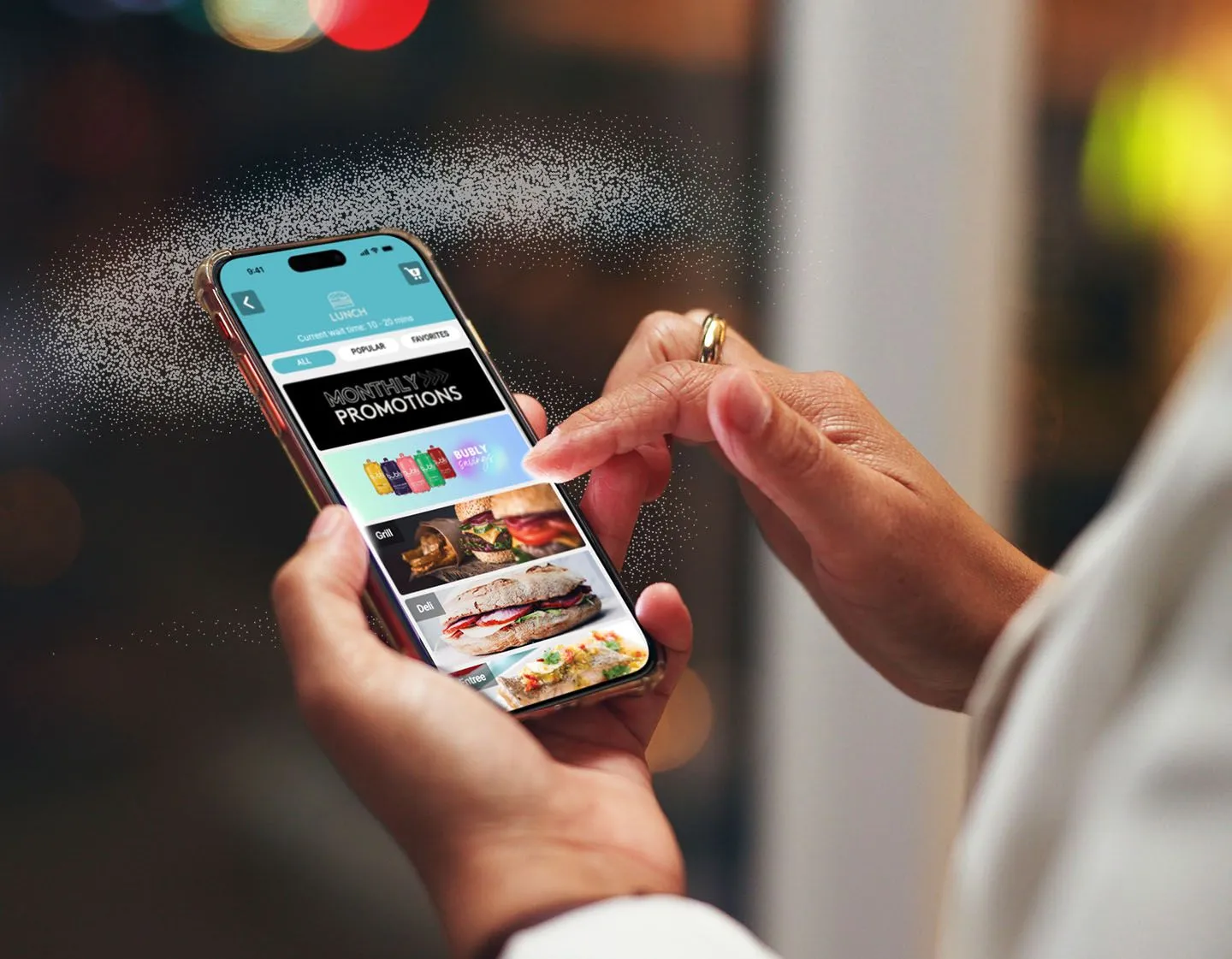
Employees and visitors can skip the line with the My Quickcharge app, using their iOS or Android device to order ahead, check balances, and pay for meals. Self-service kiosks offer a fast and convenient option to place personalized orders, with touchscreen ordering that supports multiple payment options including cashless, automatically recommends upsell items, and is built to ADA standards. Together, these options help reduce speed of service and ease demand on staff.

Cashless Payments

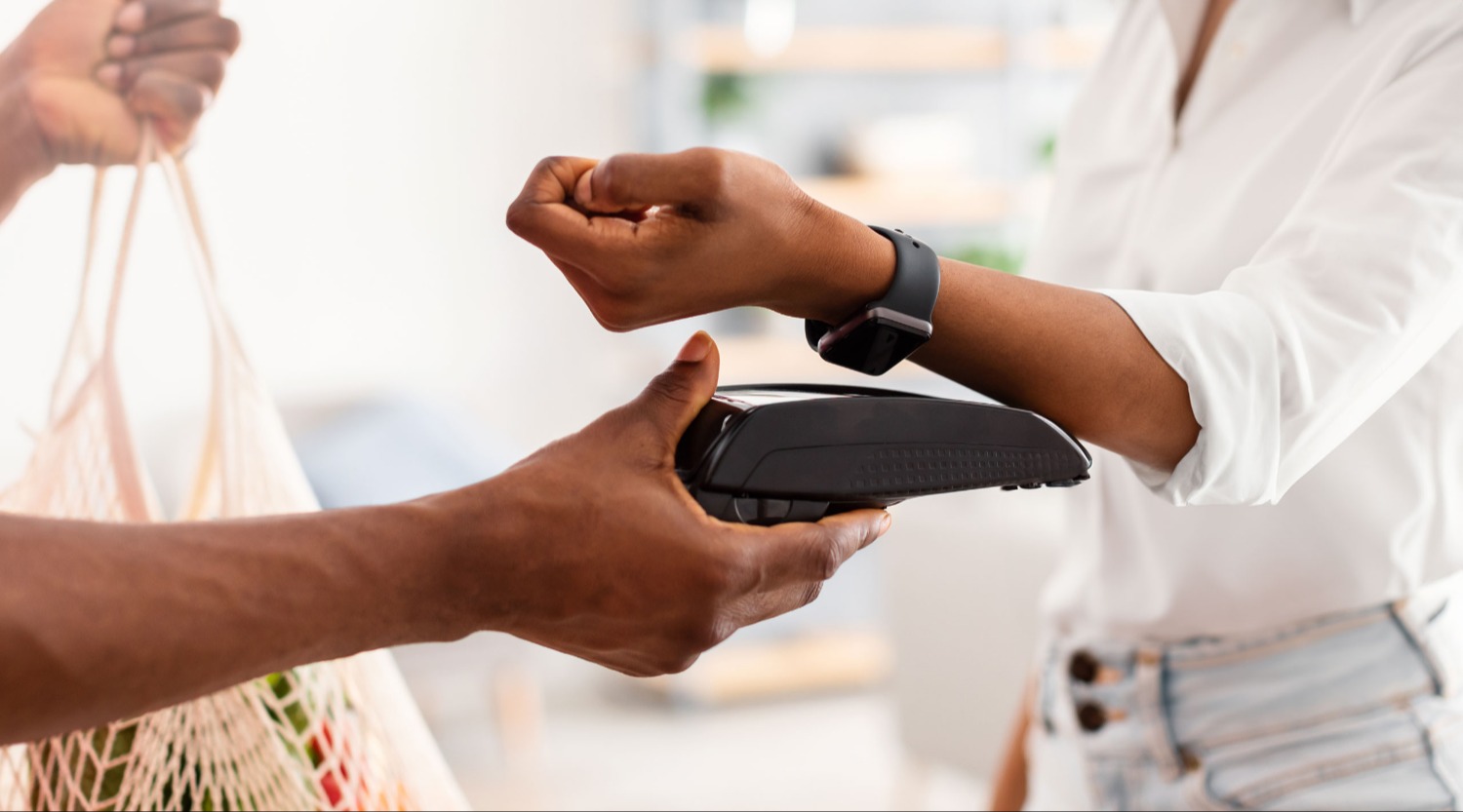
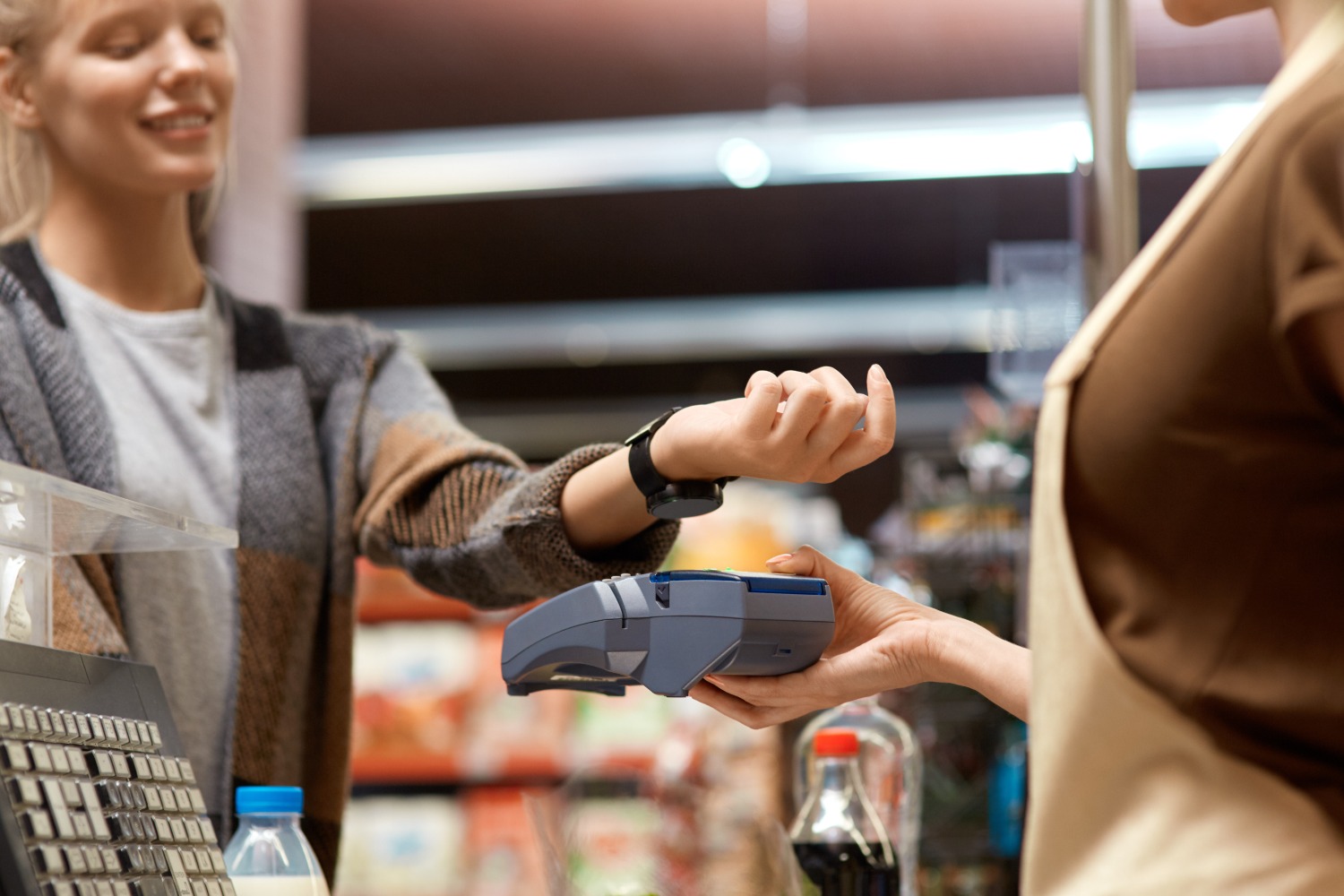
Badge pay, payroll deduction, declining-balance accounts, meal plans, and gift cards give employees, volunteers, residents, and visitors convenient alternatives to cash, instead of handling cash or credit cards. Badge and ID tap-to-pay lets staff use the access badge they already carry to deduct purchases directly from their paycheck, no separate card or app required. Cashless payments save operators the cost of credit card processing fees and can drive additional revenue by keeping staff on campus during meal breaks.

Inventory Management

Centralized item and pricing data helps you deliver a consistent guest experience across retail locations, while back-office tools keep inventory, pricing, and item data in sync everywhere they're used. Back-office tools provide greater visibility and control, helping operators manage inventory more efficiently, refine menus and pricing, reduce waste, and improve performance across your retail system.

Kitchen Order Management

Kitchen Order Management connects orders from the point of sale, mobile ordering, and self-service kiosks with kitchen production. Orders can be routed to the appropriate preparation stations, helping teams simplify workflows, improve order accuracy, and support timely fulfillment.

Loyalty Programs

Integrated loyalty programs and staff discounts help organizations make dining more rewarding and accessible. Teams can encourage repeat visits, strengthen engagement, and create offers that support their dining and retail goals.

Point of Sale

Quickcharge POS supports fast, convenient service in high-volume healthcare and workplace environments. 

POS is a full-featured dining and retail system built for high-volume healthcare and corporate cafeterias, supporting fixed, mobile, and self-service configurations, while the Kitchen Order Management System Fixed, mobile, and self-service configurations give teams the flexibility to serve each location effectively, helping reduce lines, simplify workflows, and keep service moving throughout the day.


Mobile & Self-Service Ordering

Employees and visitors can skip the line with the My Quickcharge app, using their iOS or Android device to order ahead, check balances, and pay for meals. Self-service kiosks offer a fast and convenient option to place personalized orders, with touchscreen ordering that supports multiple payment options including cashless, automatically recommends upsell items, and is built to ADA standards. Together, these options help reduce speed of service and ease demand on staff.

Cashless Payments

Badge pay, payroll deduction, declining-balance accounts, meal plans, and gift cards give employees, volunteers, residents, and visitors convenient alternatives to cash, instead of handling cash or credit cards. Badge and ID tap-to-pay lets staff use the access badge they already carry to deduct purchases directly from their paycheck, no separate card or app required. Cashless payments save operators the cost of credit card processing fees and can drive additional revenue by keeping staff on campus during meal breaks.

Inventory Management

Centralized item and pricing data helps you deliver a consistent guest experience across retail locations, while back-office tools keep inventory, pricing, and item data in sync everywhere they're used. Back-office tools provide greater visibility and control, helping operators manage inventory more efficiently, refine menus and pricing, reduce waste, and improve performance across your retail system.

Kitchen Order Management

Kitchen Order Management connects orders from the point of sale, mobile ordering, and self-service kiosks with kitchen production. Orders can be routed to the appropriate preparation stations, helping teams simplify workflows, improve order accuracy, and support timely fulfillment.

Loyalty Programs

Integrated loyalty programs and staff discounts help organizations make dining more rewarding and accessible. Teams can encourage repeat visits, strengthen engagement, and create offers that support their dining and retail goals.

Resources and Results

Patient and Nurse
Product Sheet The Power of One: Unifying Foodservice and Retail The Power of One brings NetMenu and Quickcharge together into one unified cloud platform that runs your entire ecosystem. No more workarounds or double entries. Just safe, personalized meals for patients, convenient cashless payments for staff and guests, and actionable insights that help you plan smarter and run more efficiently.
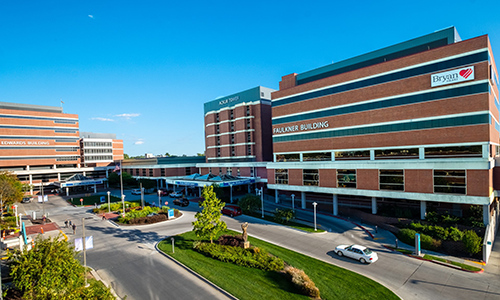
Bryan Health East Campus
Video Bryan Health Modernizes Employee Dining with Illumia Quickcharge Becky Coatney, Manager of Operations for Nutrition and Dining Services at Bryan Health, reveals how Quickcharge enables a better employee dining experience with self-checkout, loyalty rewards, and centralized reporting that improves convenience and engagement across four campuses. Plus, preview what's next for Bryan Health foodservice (hint: mobile ordering), and learn how it's all made possible through their continuing partnership with Illumia.
Quickcharge Mobile Ordering
Product Sheet My Quickcharge Skip the Line. Savor the Time. My Quickcharge empowers your operation to deliver instant, hassle-free mobile ordering from any device—whether Android, Apple or via web browser. It’s the fastest, easiest way to give your guests a smooth, line-free dining experience that keeps them coming back.

Powering Millions of Hospital Transactions

Our reliable and secure commerce tools are built for the scale of modern healthcare.
99.9%
Uptime for critical transactions
53B
Transactions facilitated annually

Featured Strategic Partners


Amazon Just Walk Out
ViaTouch

Explore More Solutions That Work Together

Dining, Retail, & POS
Analytics & Reporting

Speak to an Expert

Frequently Asked Questions

What is healthcare commerce and how does it support hospital operations?

Healthcare commerce refers to the systems and processes that manage retail, dining, and payment experiences within healthcare environments. This includes hospital cafeterias, gift shops, pharmacies, and workforce dining programs. 

A modern healthcare commerce platform connects point-of-sale (POS), payments, reporting, and operational controls into one centralized system. 

By unifying these services, hospitals reduce reliance on disconnected tools and manual reconciliation, gaining real-time visibility into healthcare transactions across departments. 

The result is stronger operational oversight, streamlined workflows, and faster, more reliable service for staff, patients, and visitors — all while maintaining secure healthcare payment systems that meet enterprise-level standards. 

How do healthcare payment systems improve transaction efficiency in hospitals?
Healthcare payment systems improve efficiency by consolidating healthcare payment processing, reporting, and transaction management into a single cloud-based environment. 

Instead of managing separate systems for cafeteria POS, gift shop transactions, and employee dining, hospitals can centralize pricing, inventory, and payments across locations. This reduces manual reconciliation, eliminates duplicate data entry, and provides real-time dashboards for leadership. 

Features such as badge-based payments, mobile ordering, payroll deduct, and self-service kiosks accelerate checkout times in high-volume environments. By modernizing hospital payment systems, organizations reduce wait times, increase throughput, and free staff to focus on higher-value responsibilities. 
What are healthcare payment solutions and how do they enhance the patient experience?
Healthcare payment solutions are integrated tools that support fast, secure, and flexible transaction experiences across dining and retail environments. 

In hospital settings, this means offering cashless payments in healthcare, mobile and contactless checkout, and secure POS systems that reduce friction for patients and visitors. When payment processes are simple and intuitive, the overall consumer experience in healthcare improves. 

For example, visitors purchasing meals or gift shop items benefit from quick, convenient checkout options. At the same time, integrated backend systems maintain operational control and reporting accuracy. By combining front-end convenience with back-end visibility, healthcare organizations deliver better service without sacrificing security or oversight. 
How does a healthcare commerce platform integrate payments and retail services?
A healthcare commerce platform integrates payments and retail services by bringing POS, inventory management, pricing controls, reporting, and transaction data into one unified system. 

Rather than operating separate systems for cafeteria sales, pharmacy purchases, and gift shop retail, hospitals gain one source of truth for healthcare transaction management. This integration enables: 

  • Centralized oversight across departments and locations 
  • Real-time visibility into transaction activity 
  • Streamlined reconciliation and reporting 
  • Connected mobile ordering and self-service kiosks 
By connecting commerce operations across environments, hospitals can manage retail performance more strategically while ensuring consistent, secure healthcare payment processing. 
What role does healthcare POS technology play in hospital environments?
Healthcare POS technology serves as the operational backbone of hospital retail and dining services. A modern healthcare POS system supports secure payments, inventory tracking, pricing controls, and workforce dining functionality in one environment.  

In high-traffic hospital settings, POS systems must handle: 

  • Employee badge payments and meal allowances 
  • Visitor retail and dining purchases 
  • Self-service and kiosk transactions 
  • Contactless and mobile checkout 
By aligning POS systems with backend reporting and centralized management, hospitals improve transaction speed, maintain accuracy, and strengthen oversight across retail environments. 
How are healthcare transactions managed securely across departments?
Healthcare transactions are managed securely through centralized, cloud-based platforms that unify payment systems and operational controls. 

A secure healthcare commerce platform provides: 

  • Centralized oversight across multiple locations 
  • Real-time visibility into transaction activity 
  • Integrated reporting for audit readiness 
  • Reduced manual reconciliation through connected systems 
When healthcare payment systems operate within a unified architecture, IT teams gain greater control over transaction security and compliance. This ensures that dining and retail services remain reliable, consistent, and aligned with organizational standards. 
What are the benefits of cashless and contactless payments in hospitals?
Cashless payments in healthcare and contactless payments in hospitals improve both operational performance and user experience. 

Benefits include: 

  • Faster checkout and shorter lines 
  • Reduced cash handling and reconciliation 
  • Improved transaction accuracy 
  • Enhanced convenience for staff and visitors 
  • Stronger security controls 
Mobile ordering, tap-to-pay, badge-based payments, and kiosk transactions reduce friction in high-volume environments. These capabilities create a more modern consumer experience in healthcare while helping hospitals operate more efficiently. 
What should organizations look for in a scalable healthcare commerce and payment solution?
When evaluating a scalable healthcare commerce and payment solution, organizations should prioritize a unified, cloud-based platform that consolidates POS, payments, reporting, and inventory management into a single system. A connected healthcare commerce platform eliminates siloed tools and provides one source of truth for managing retail and dining operations across departments and locations. 

Security and centralized oversight are equally critical. Secure healthcare payment systems should provide consistent controls, real-time transaction visibility, and reliable reporting to support compliance and audit readiness. IT teams benefit from stronger governance while operational leaders gain clearer insight into performance. 

Scalability also means flexibility. The right solution should support: 

  • Multi-site health systems with centralized management 
  • Mobile, badge-based, payroll deduct, and contactless payments 
  • Real-time dashboards and actionable reporting 
  • Configurable workflows that adapt as needs evolve 
Ultimately, a modern healthcare commerce solution should streamline healthcare transactions, strengthen healthcare payment processing, and enhance the overall consumer experience in healthcare — all while maintaining enterprise-grade security and performance.